Oyedele Explains Spirit Behind $1trn Economy Vision, Defends Capital Budget Rollover
By Godson Ikoro
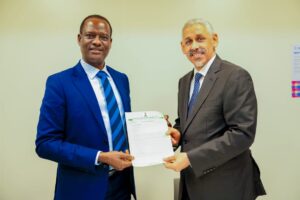
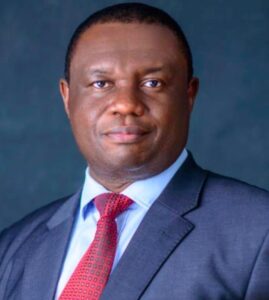
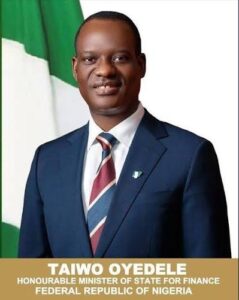
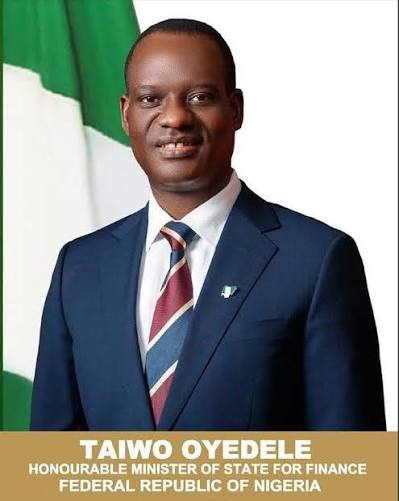
The Minister of Finance and Coordinating Minister of the Economy, Mr. Taiwo Oyedele, has explained the spirit behind the Federal Government’s $1 trillion economy aspiration by 2030, even as he defended the rollover of capital budget implementation to the next fiscal year.
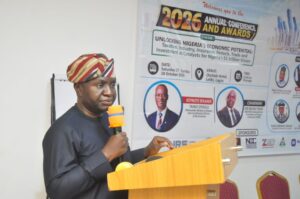
Oyedele gave the explanation while fielding questions from journalists at the 2026 Annual Conference of the Finance and Business Online Publishers Association (FiBOP) held at Orchids Hotel, Lekki, Lagos.
Distinguishing between the letter and the spirit of the aspiration, he said: “The goal is not about attaining a certain figure of a $1 trillion economy so we can brag about the size of our economy,” which is the letter. “The goal or spirit is how many people are contributing to this $1 trillion economy and how many people’s lives have been bettered.”
He assured that the government is working assiduously to shore up revenue to cater for every item necessary for national development, emphasizing ongoing revenue mobilisation efforts.
“We don’t want to burden citizens unnecessarily. When you hear about tax reform, the government is trying — rather than squeezing the few, we are expanding the base to ensure that those who are supposed to pay taxes and other revenues are paying what is due,” he stated.
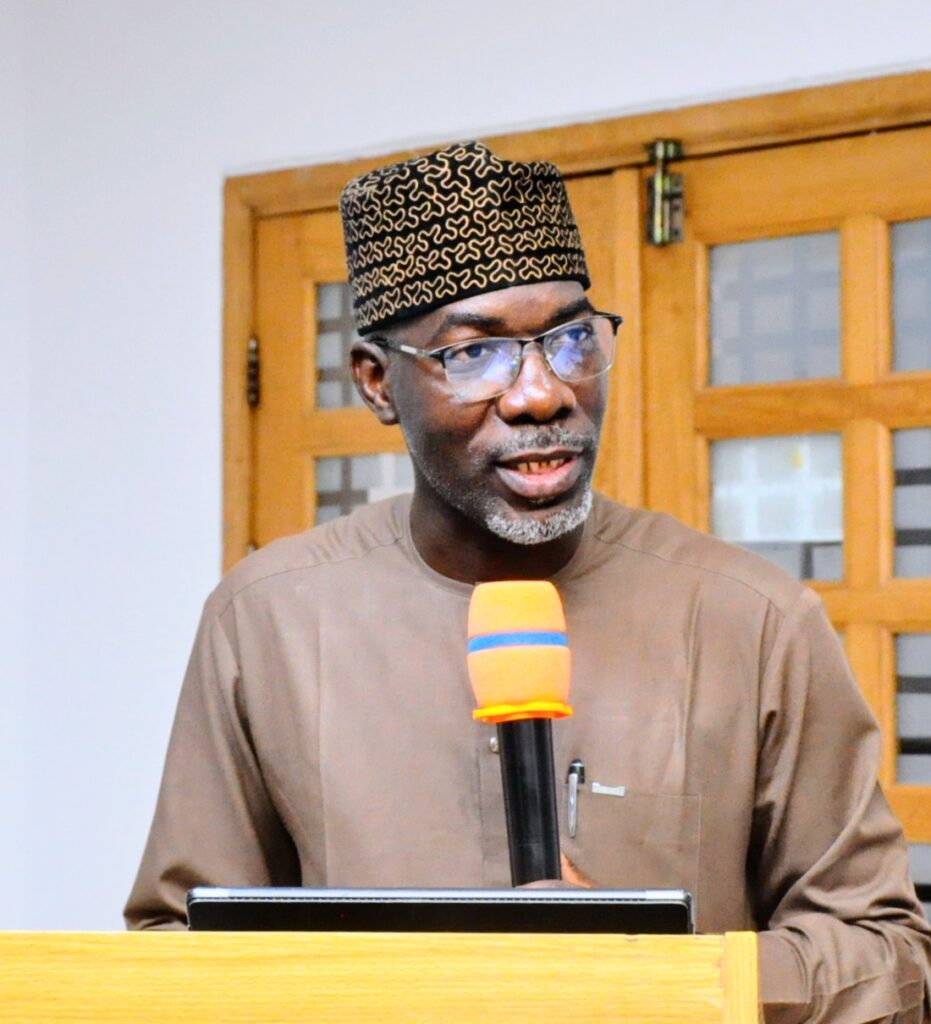
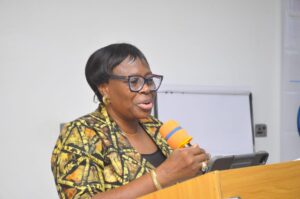
The minister, who was represented by his Special Adviser on Revenue, Dr. Olufemi Olarinde, also explained why government rolls over capital budget implementation.
Responding to why the capital component of the 2024 budget was rolled over to 2025 and that of 2025 to 2026, he said budget implementation is subject to revenue projections, and when expected income does not materialise, rolling over relevant line items into the next budget cycle becomes necessary.
He stressed that it is a standard accounting procedure employed globally.
“Accounting allows it in budgeting. You may not be able to implement all your budget, but what do you do? You roll it over, if that item is still very relevant to your cause,” he said, noting that rollovers typically affect capital rather than recurrent expenditure.
Oyedele also defended the National Assembly’s approach to extending the lifespan of the 2024 and 2025 budgets.
According to him, budget rollover is a legitimate mechanism used when projected revenues fall short of expectations.
“Practically, what I know in accounting is you stop and move, and appropriate — bring that item, line item, back in your new budget,” he said.
Asked why 48 per cent of national revenue goes into debt servicing, Oyedele said Nigeria, like any going concern, must continue to meet its obligations. He explained that halting infrastructure projects and other government initiatives to service debt would be more devastating for Nigerians.
He stressed that government reforms are ultimately aimed at improving the lives of ordinary citizens, shifting focus from macroeconomic figures to micro-level impact.
About The Author