Nigeria’s Progress Hinges On Quality Of Leadership, Not Just Resources – Kwairanga NGX Group Chairman.
Nigeria’s Progress Hinges On Quality Of Leadership, Not Just Resources – Kwairanga NGX Group Chairman.
The Group Chairman of Nigerian Exchange Group Plc (NGX Group), Alhaji (Dr.) Umaru Kwairanga, has said that Nigeria’s ability to translate its vast potential into sustainable progress will be determined not by its resources, but by the quality of leadership within its institutions.
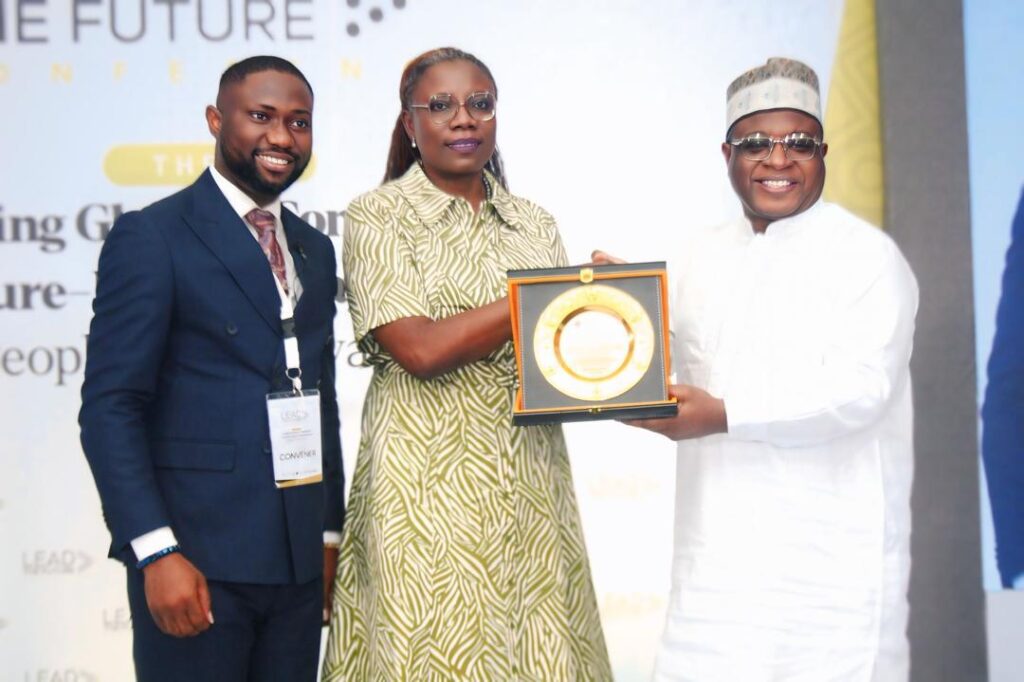
Kwairanga stated this on Thursday while chairing the 2026 Leadership Event convened by SixthSense Leadership at the Oriental Hotel, Lagos.
Commending the convener, Mr. Bright “UK” Ukwenga, for bringing together an accomplished crop of professionals, business leaders and policymakers, Kwairanga said the diversity of experience in the room was a reminder that leadership is not confined to any one profession or position, but a responsibility that cuts across every aspect of society.
According to him, while national discourse often centres on resources, opportunities and policies required to unlock economic potential, the decisive factor remains leadership.
“Our country is blessed with an enterprising population, considerable natural resources and a growing pool of talented professionals. Yet, the ability to convert these advantages into sustainable economic growth depends on the decisions we make, the institutions we build and the values that guide those entrusted with responsibility,” he said.
The NGX Group Chairman described leadership as stewardship – an obligation to build institutions that will endure beyond one’s tenure.
“Whether in public service, business or civil society, the true measure of leadership should not be limited to what an individual achieves while in office, but should also include the strength of the institution and the opportunities created for those who come after,” he noted.
He said the imperative for strong institutional leadership has become more urgent as Nigeria navigates significant economic and structural changes, with institutions now required to respond to new technologies, changing expectations, demographic pressures and an increasingly interconnected global economy.
Such a moment, he stressed, demands leaders who are adaptable in thinking, disciplined in decision-making and willing to embrace new approaches without compromising integrity, accountability and good governance.
Drawing lessons from the capital market, Kwairanga said financial markets thrive where there is confidence, transparency and consistency.
“Investors commit capital not simply because opportunities exist, but because they have confidence in the institutions, systems and governance structures that support those opportunities,” he said.
He added that the principle extends beyond finance, noting that businesses attract investment when they demonstrate sound governance, public institutions earn trust when they are transparent and effective, and economies become competitive when institutions are strong enough to provide continuity.
Kwairanga said that at NGX Group, the capital market’s role in supporting enterprise, facilitating capital formation and broadening participation in economic opportunities can only be fulfilled through continuous institutional development and collaboration.
He also charged leaders on succession, saying Nigeria’s young and ambitious population represents an enormous reservoir of talent that must be nurtured through mentorship, opportunity and deliberate talent development.
“Those of us who have had the privilege of occupying leadership positions must therefore see succession planning and talent development as essential responsibilities,” he said.
“Leadership should never become an obstacle to the emergence of new leaders. Rather, one of its greatest achievements should be the development of capable successors who can take institutions further.”
Kwairanga further called for cross-sectoral collaboration, stressing that the challenges confronting the economy cannot be addressed by government, private sector or professional institutions acting independently.
He urged participants to translate insights from the conference into practical actions within their organisations.
“The value of a leadership conference is ultimately demonstrated by what participants do differently after the event,” he said.
“The future of Nigeria will not be determined by the scale of our potential alone. It will be determined by our collective ability to build credible institutions, make responsible decisions, invest in people and sustain progress across generations.
“Each of us, in our different capacities, has a contribution to make towards that future. We must approach that responsibility with a sense of purpose, humility and an understanding that leadership is, above all, a call to service,” Kwairanga concluded.The Group Chairman of Nigerian Exchange Group Plc (NGX Group), Alhaji (Dr.) Umaru Kwairanga, has said that Nigeria’s ability to translate its vast potential into sustainable progress will be determined not by its resources, but by the quality of leadership within its institutions.
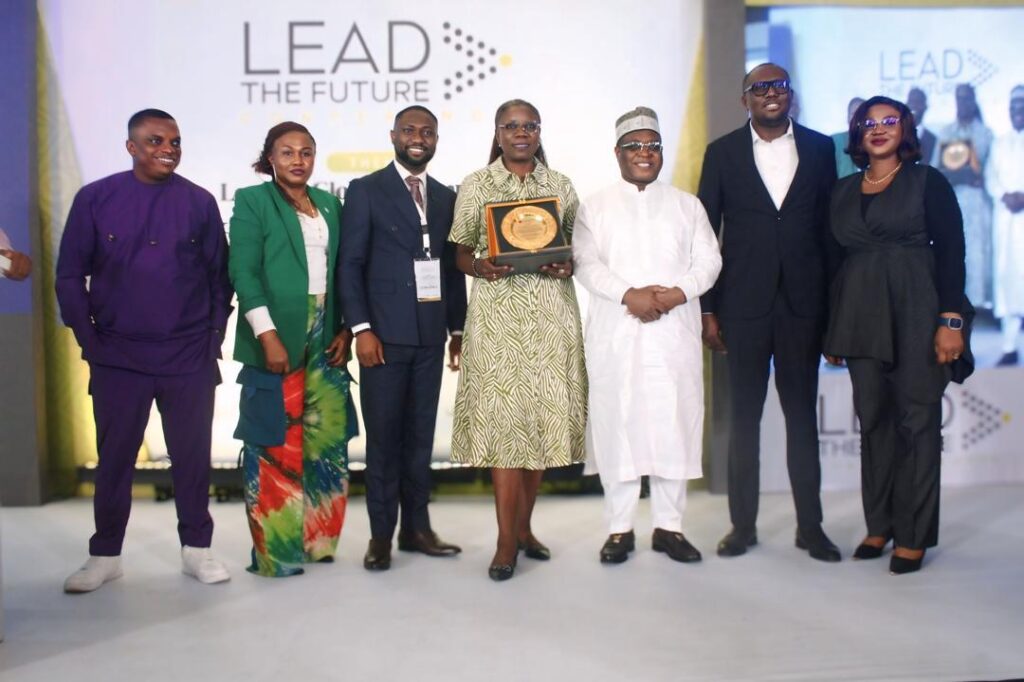
Kwairanga stated this on Thursday while chairing the 2026 Leadership Event convened by SixthSense Leadership at the Oriental Hotel, Lagos.
Commending the convener, Mr. Bright “UK” Ukwenga, for bringing together an accomplished crop of professionals, business leaders and policymakers, Kwairanga said the diversity of experience in the room was a reminder that leadership is not confined to any one profession or position, but a responsibility that cuts across every aspect of society.
According to him, while national discourse often centres on resources, opportunities and policies required to unlock economic potential, the decisive factor remains leadership.
“Our country is blessed with an enterprising population, considerable natural resources and a growing pool of talented professionals. Yet, the ability to convert these advantages into sustainable economic growth depends on the decisions we make, the institutions we build and the values that guide those entrusted with responsibility,” he said.
The NGX Group Chairman described leadership as stewardship – an obligation to build institutions that will endure beyond one’s tenure.
“Whether in public service, business or civil society, the true measure of leadership should not be limited to what an individual achieves while in office, but should also include the strength of the institution and the opportunities created for those who come after,” he noted.
He said the imperative for strong institutional leadership has become more urgent as Nigeria navigates significant economic and structural changes, with institutions now required to respond to new technologies, changing expectations, demographic pressures and an increasingly interconnected global economy.
Such a moment, he stressed, demands leaders who are adaptable in thinking, disciplined in decision-making and willing to embrace new approaches without compromising integrity, accountability and good governance.
Drawing lessons from the capital market, Kwairanga said financial markets thrive where there is confidence, transparency and consistency.
“Investors commit capital not simply because opportunities exist, but because they have confidence in the institutions, systems and governance structures that support those opportunities,” he said.
He added that the principle extends beyond finance, noting that businesses attract investment when they demonstrate sound governance, public institutions earn trust when they are transparent and effective, and economies become competitive when institutions are strong enough to provide continuity.
Kwairanga said that at NGX Group, the capital market’s role in supporting enterprise, facilitating capital formation and broadening participation in economic opportunities can only be fulfilled through continuous institutional development and collaboration.
He also charged leaders on succession, saying Nigeria’s young and ambitious population represents an enormous reservoir of talent that must be nurtured through mentorship, opportunity and deliberate talent development.
“Those of us who have had the privilege of occupying leadership positions must therefore see succession planning and talent development as essential responsibilities,” he said.
“Leadership should never become an obstacle to the emergence of new leaders. Rather, one of its greatest achievements should be the development of capable successors who can take institutions further.”
Kwairanga further called for cross-sectoral collaboration, stressing that the challenges confronting the economy cannot be addressed by government, private sector or professional institutions acting independently.
He urged participants to translate insights from the conference into practical actions within their organisations.
“The value of a leadership conference is ultimately demonstrated by what participants do differently after the event,” he said.
“The future of Nigeria will not be determined by the scale of our potential alone. It will be determined by our collective ability to build credible institutions, make responsible decisions, invest in people and sustain progress across generations.
“Each of us, in our different capacities, has a contribution to make towards that future. We must approach that responsibility with a sense of purpose, humility and an understanding that leadership is, above all, a call to service,” Kwairanga concluded.
About The Author